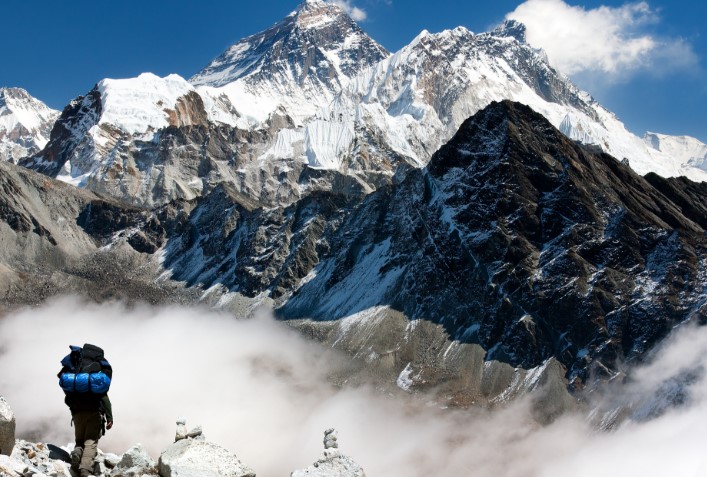
Nepal’s tourism sector, long a source of national pride and economic strength, is now confronting a difficult reality following severe flooding that has disrupted the country just as its most important travel season begins.
“In recent days, tourists have been canceling bookings right as Nepal enters its busiest tourism season, running from September 15 to November 15,” said Saroj Bhandari, owner of the Wander Thirst hostel in Kathmandu, located more than five hours by road from the flood-affected area, speaking to CNBC, reported Monday, September 7, 2026.
Bookings Drop Sharply Ahead of Peak Season
Bhandari estimates that, in the best-case scenario, his 122-bed hostel will only reach 60% occupancy during this year’s peak season, down from full capacity last year. Most of the cancellations, he said, are coming from European travelers.
“This time, only a small part of Nepal has actually been affected by the flooding, but many tourists now see visiting Nepal as unsafe because of it,” he said. He remains hopeful that tourists will continue coming, noting that Nepal isn’t just mountains, the country also includes extensive lowland regions untouched by the disaster.
A Wake-Up Call for the Industry
Rajendra Bahadur Lama, Secretary General of the Nepal Mountaineering Association, described the flooding as a serious warning sign for the country’s tourism industry.
“This disaster should not be seen as the end of Nepal’s adventure tourism; it must be treated as a wake-up call to act,” Lama told CNBC.
According to Lama, climate change is actively reshaping the Himalayas, and Nepal now needs to build a tourism industry that isn’t just adventurous, but also safer, smarter, and more resilient to climate-related risks.
Infrastructure, trekking routes, and tourist destinations need to be reassessed and redesigned with stronger protections against flooding, landslides, and other extreme weather events, Lama said.
“International tourists are becoming increasingly aware of both climate change issues and safety factors when choosing destinations,” he added.
The Cost of Recovery
Rebuilding from this disaster is expected to cost Nepal between US$4-5 billion (roughly Rp 88 trillion), a sum equivalent to nearly one-tenth of the country’s entire economy.
Tourism serves as a central pillar of Nepal’s economy and a critical source of foreign exchange and national income. With a population of nearly 30 million, Nepal is globally renowned as a hub for trekking and mountaineering, as well as a premier destination for spiritual travel.
What This Means If You’re Planning a Trip to Nepal
If you’re considering a trip to Nepal this trekking season, it’s important to understand that the flooding affected a specific region in the country’s north, not the entire country. Many trekking routes, cultural sites, and lowland destinations remain fully operational. That said, given the scale of this disaster and the ongoing search and rescue efforts in the affected areas, travelers should check directly with their tour operator about their specific route and stay updated through official Nepali tourism and government channels before finalizing any travel plans.
This article covers an ongoing natural disaster with significant loss of life. Our thoughts are with everyone affected by this tragedy, including local communities and travelers caught in the flooding.